
Detail Description
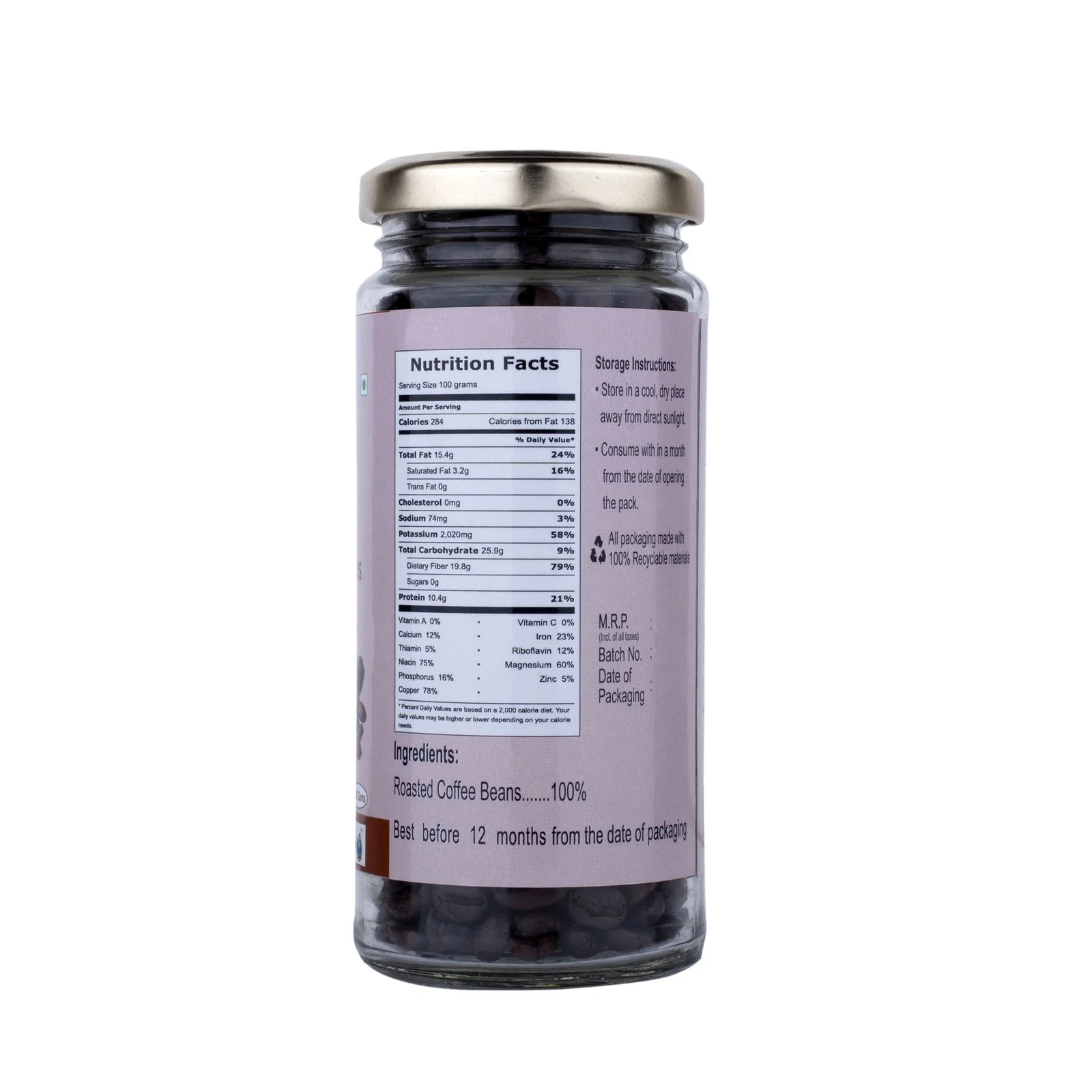
Roasted coffee beans are coffee beans that have been heated to a high temperature, typically between 350?F and 450?F, until they turn a dark brown color and develop a distinct aroma and flavor. Roasting is an essential step in the coffee-making process, as it transforms the raw, green coffee beans into the familiar, fragrant, and flavorful beans that we use to make coffee. During the roasting process, the coffee beans undergo a series of chemical reactions that cause changes in their color, aroma, flavor, and texture. These changes are the result of the Maillard reaction, a complex series of chemical reactions that occur when heat is applied to food. Roasted coffee beans can vary in flavor and intensity depending on the level of roasting. Light roasts are roasted for a shorter period of time and have a lighter color, a milder flavor, and higher acidity. Medium roasts are roasted for a longer period of time and have a darker color, a stronger flavor, and medium acidity. Dark roasts are roasted for the longest period of time and have a very dark color, a bold flavor, and low acidity. Roasted coffee beans can be ground and brewed in a variety of ways, including drip brewing, French press, pour-over, and espresso. The method of brewing can also affect the flavor and strength of the coffee. It's worth noting that the potential health benefits of roasted coffee beans can vary depending on factors such as the level of roasting, brewing method, and individual factors such as age and overall health status.